
Reviewed · PODGORICA TOURS & EXPERIENCES
Montenegro: Podgorica Through the Ages
Podgorica changes fast, if you walk. This 2-hour private tour gives you a local, street-level look at how the city grew from Ottoman-era corners into the modern center you see today, with the details still visible. It is the kind of walk where architecture and river life both tell stories.
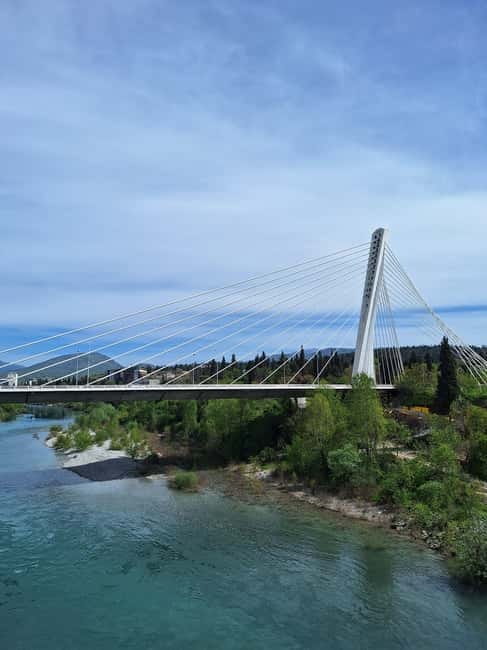
I especially like the mix of Osmanagića Mosque and the surrounding Ottoman-quarter atmosphere, because it feels grounded in real streets, not museum panels. I also like the bridge focus, since you get to see how Podgorica’s waterways shape movement and daily rendezvous spots, including the Bridge over Ribnica.
One drawback to plan around: Podgorica can get very hot in spring and summer, and this tour is not ideal if you are not used to long walks. The route can be adjusted, but you should still prepare for an active 2-hour stroll.
In This Review
- Key things to know before you go
- Finding Podgorica’s clues, starting from Hotel Podgorica
- Walking into the Ottoman quarter near the Osmanagića Mosque
- The stone bridge over Ribnica, and why bridges matter here
- Old Clock tower and Church of Saint George: landmarks you can orient with
- The former Turkish bath turned into a cozy café
- The oldest church in Podgorica, early medieval roots
- A route designed for real walking, with a hot-weather reality check
- Price and group size: does $141 per group feel fair?
- Who this tour suits best in Podgorica
- What I liked about the guide experience with Luka
- Should you book Montenegro: Podgorica Through the Ages?
- FAQ
- How long is the Podgorica walking tour
- Where do we meet for the tour
- Is this a private tour
- What are the main sights included
- What languages is the guide available in
- Is the route adjusted for hot weather
Key things to know before you go
- Ottoman-quarter street time, centered on the Osmanagića Mosque and nearby 17th-century atmosphere
- Bridge viewpoints on purpose, including the Ribnica crossing and the feel of older stone bridges underfoot
- Major landmarks plus quieter corners, with stops like the Church of Saint George and the Old Clock tower
- River-city orientation, so you learn where the old town sits relative to the Moraca and the crossings
- A former Turkish bath turned into a café, a practical example of how old spaces get reused
Finding Podgorica’s clues, starting from Hotel Podgorica
This walk begins in a very easy-to-spot place. You meet in front of Hotel Podgorica, right on the right bank of the river Moraca, across from the old town. The hotel sits under the tallest glass building in the city, topped with a big Montenegrin flag, so you can usually orient fast.
The location matters more than it sounds. Starting near the river gives you immediate context for why Podgorica is full of bridges, and why the city center has the flow it does. You are also already close enough to the older areas that the first part of the tour feels like a natural step back in time.
Because it is a private group, you are not shuffled around with strangers. That tends to make it easier to keep a steady pace, ask questions, and adjust if weather is intense.
Still more Podgorica tours and day trips:
Walking into the Ottoman quarter near the Osmanagića Mosque
The heart of the tour is a stroll through the old Turkish part of Podgorica. You spend time around the Osmanagića Mosque (sometimes seen as Osmamagića), with the goal of understanding the 17th-century Ottoman atmosphere still present in the streetscape.
You should expect it to feel more lived-in than staged. Instead of just looking at a building from the outside, the walk connects that mosque to what surrounds it, so you see how a religious landmark sits within daily movement. For many people, this is the moment Podgorica starts to click as a layered city.
Mosques in this part of the Balkans are more than architecture. They can act like geographic anchors. On a short, guided walk, having a strong anchor like this helps you remember the rest of the stops, because everything ties back to the route.
The stone bridge over Ribnica, and why bridges matter here
After the mosque visit, you head toward an older stone crossing that still functions as a local rendezvous point. The tour includes a walk over the small stone bridge from the same period, and you get a sense for how people still use it as a meeting place.
This is also where you notice the river rhythm of Podgorica. The city is shaped by water, and the bridges are what connect parts of town that might otherwise feel separate. As you cross, some bridges can feel like they vibrate underfoot, so keep your balance, especially if you are wearing slippery soles.
The Bridge over Ribnica stop helps you understand why the walking route makes sense. You are not just ticking off monuments, you are learning how residents likely move through the city day to day, by crossing and re-crossing waterways at the points that work.
Old Clock tower and Church of Saint George: landmarks you can orient with
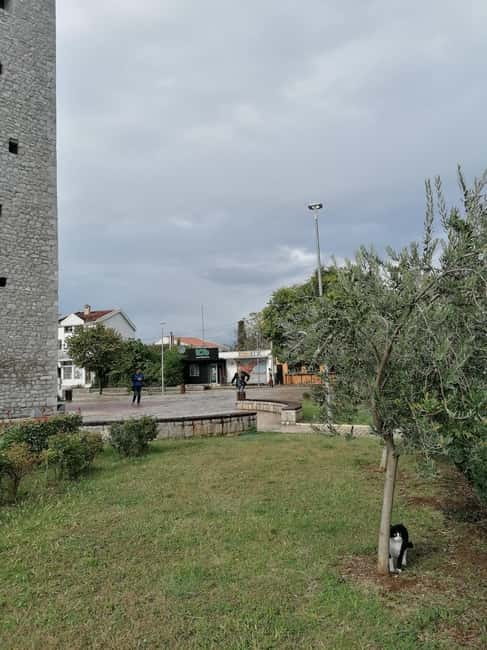
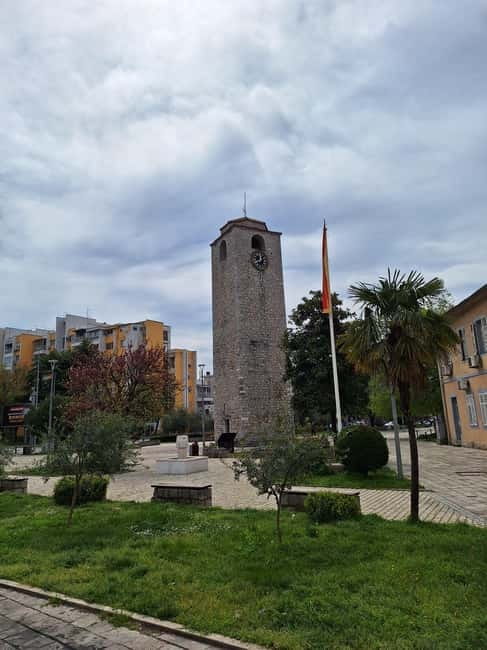
Once you move beyond the Ottoman-focused portion, the tour widens into the city center. You will explore several key historic landmarks, including the Old Clock tower and the Church of Saint George.
These two stops are useful because they help you build a mental map. A clock tower gives you an obvious reference point in a city view, and a church acts like another kind of marker, especially when you are moving through a place that changed hands and styles over time.
Here is the practical value: after two hours, you will likely know where the old town sits in relation to the river Moraca and the main pedestrian paths. That makes it easier to wander on your own afterward, without feeling like you are guessing.
The former Turkish bath turned into a cozy café
One of the most satisfying parts of this tour is that it does not treat history as a sealed-off room. You will pass by or visit the former Turkish bath that is now turned into a cozy café.
This stop is a reminder that cities keep evolving, even when you preserve older fabric. Reuse is often the fastest way to keep heritage in everyday life. When you see the bath converted for modern comfort, it gives you a more realistic sense of how people historically lived, worked, and relaxed in the same streets you are walking now.
If you like to travel by observation, this kind of transformation is a win. It turns the tour into something you can repeat after it ends, since you can imagine similar conversions in other cities you visit.
Another way to fill a day around Podgorica:
- Skadar Lake National Park: Guided Boat Tour to Kom Monastery★ 4.5 · 49 reviews
- Private transfers from Podgorica Airport and city to Budva★ 5.0 · 41 reviews
- Durmitor – Black Lake & Tara River Canyon – North Montenegro tour★ 5.0 · 41 reviews
The oldest church in Podgorica, early medieval roots
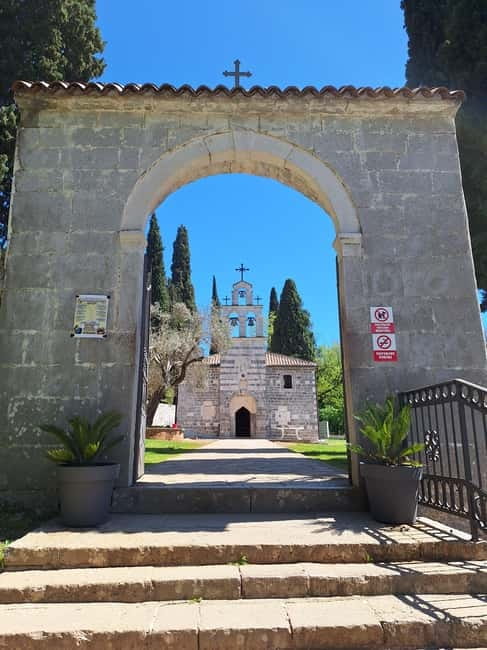
The tour also includes a stop that focuses on the oldest church in Podgorica, dating back to early medieval times. This is an important contrast point against the Ottoman-era segments.
Why it matters for you: it gives you perspective on how long Podgorica has been a meaningful place. In a short walk, comparing time periods side by side helps you understand the city’s layers without needing hours of reading or museum hours.
You will also understand that religious and civic buildings often anchor neighborhoods for centuries. Even if architectural styles shift, the idea of a central landmark tends to stick.
A route designed for real walking, with a hot-weather reality check
This is a 2-hour walking tour. That sounds simple, but it affects what you should wear and how you pace yourself. The route can be adjusted depending on your starting point, and the provider flags that spring and summer can be very hot, making the walking part feel extreme if you are not prepared.
I recommend treating this as an active city walk, not a relaxed stroll. If you are coming from a long day of sightseeing or you are planning to be out in direct sun, consider taking water, a hat, and sunscreen seriously.
The tour is not recommended for people who are not accustomed to long walks. If that is your situation, ask about a slower route rather than assuming you can power through. The duration is short enough to be worth doing if you are comfortable walking, but long enough that you will feel it if you are not.
Price and group size: does $141 per group feel fair?
The price is $141 per group, up to 12 people, and it is a private group experience. So the value math depends on how full your group is.
If you fill the full 12-person group, it works out to under $12 per person for a guided, monument-focused walk. If it is smaller, the per-person cost goes up, but you still get the benefit of a private guide rhythm rather than crowd management.
For me, the best value angle is how specific the content is. You are not getting a generic “see the sights” loop. You are getting a route built around the Osmanagića Mosque, key landmarks like the Old Clock tower and the Church of Saint George, and bridge crossings over Ribnica and the broader river network.
Who this tour suits best in Podgorica
This is a strong fit if you want an orientation walk that also tells a story. I think you will like it if you enjoy architecture details, street-level atmosphere, and practical city navigation more than big-ticket museum stops.
It is also a great option for people who want a short plan that still feels meaningful. Two hours in the city center is enough time to learn a lot and still have energy left to explore on your own afterward.
If you have limited mobility or you hate heat and long distances, it might be the wrong format. The route can be adjusted, but it is still a walking experience.
What I liked about the guide experience with Luka
The tour guide here is Luka, and the only feedback score we see is a 5 out of 5 with a note that the guide was excellent. That lines up with what you want in a short city walk: clarity, pacing that feels unhurried, and the ability to point out details without rushing.
In a private group, your guide’s style matters even more. You are not just moving from stop to stop, you are connecting the stops into a single mental story of how Podgorica transformed over time.
Should you book Montenegro: Podgorica Through the Ages?
Yes, I would book it if you want a practical, guided walk that mixes Ottoman-era street atmosphere with central landmarks and river-bridge views. It is especially worth it if you like learning how a city actually works day to day, because the bridge focus and the reuse of older spaces (like the Turkish bath turned café) make Podgorica feel real.
Skip it if long walks in heat are a challenge for you. Also, if you want a full-day program or you prefer car-based sightseeing, this short, on-foot route may feel too active.
If you fit the walking part, you will come away with a clearer map of the city center and a better feel for why Podgorica is shaped the way it is.
FAQ
How long is the Podgorica walking tour
It lasts 2 hours.
Where do we meet for the tour
Meet in front of Hotel Podgorica, on the right coast of river Moraca, across from the old town. The spot is in front of the hotel and the tall glass building next to the parking lot.
Is this a private tour
Yes, it is a private group experience.
What are the main sights included
The tour includes Osmamagića Mosque (Osmanagića), Church of Saint George, the Old Clock tower, and a Bridge over Ribnica, plus other historic and reused spots like a former Turkish bath now used as a café.
What languages is the guide available in
The live guide is available in English and German.
Is the route adjusted for hot weather
The route can be adjusted depending on the starting point. Podgorica can be very hot in spring and summer, so the provider may modify the route if needed. It is not recommended if you are not accustomed to long walks.
Newly added around Podgorica
- Sunset walking in NP Skadar lake from Podgorica
★ 5.0 · 1 review - Private Transfer: Podgorica to Podgorica Airport TGD in Sedan Car
★ 5.0 · 1 review - Podgorica Day Trip to North – Biogradska Gora National Park
★ 5.0 · 1 review - Podgorica: Montenegro Scenic Panoramic Flight
★ 5.0 · 1 review - North of Montenegro Private Tour – Tara Canyon & National Parks
★ 5.0 · 1 review - Skadar Lake: Kayak and SUP Rental
★ 5.0 · 1 review - Podgorica: Packrafting the Moraca river
★ 5.0 · 1 review
Podgorica Tours & Experiences, compared.

Skadar Lake National Park Guided Boat Tour with Wooden Boat
Read our review →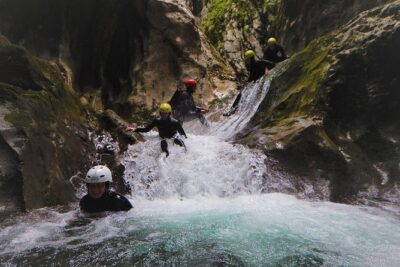
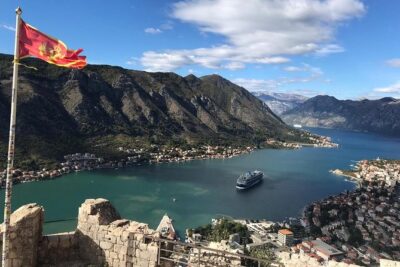
Best from our coast (Kotor bay, Budva, Sv Stefan, Skadar lake)
Read our review →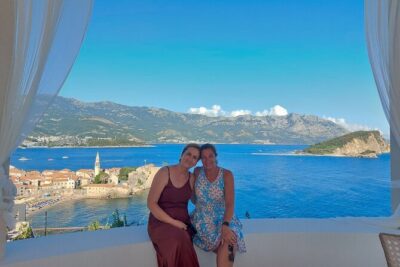
GREAT MONTENEGRO TOUR Cetinje – Njeguši – Kotor – Budva – Bečići – Saint Stefan
Read our review →
Skadar Lake National Park: Guided Boat Tour to Kom Monastery
Read our review →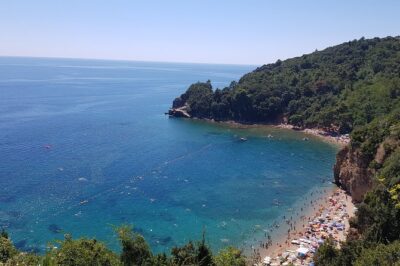
Private transfers from Podgorica Airport and city to Budva
Read our review →
Durmitor – Black Lake & Tara River Canyon – North Montenegro tour
Read our review →
Podgorica Historic, Safari and Winery tour – Skadar lake and River Crnojevica
Read our review →Browse the lists this tour appears in